Eric Lundberg
Aspiring Level Designer with a background in city planing, industrial- and transport design.Currently studying Game Design at Futuregames in Umeå.Open for internship/work May 18 -Dec 25 (flexible)

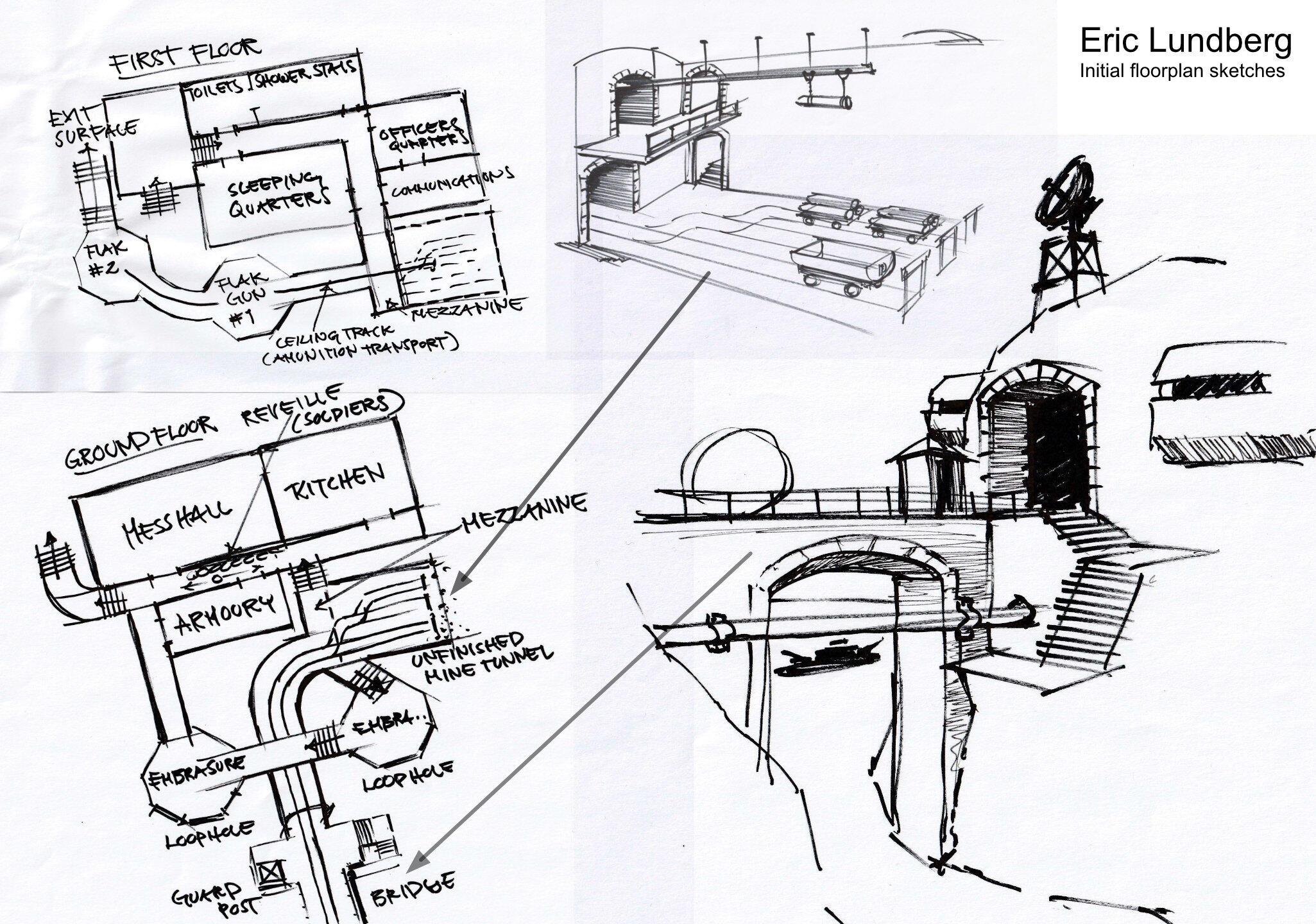
WW2 Bunker (Level design)
Short course in level design (block-out)A stealth-focused infiltration mission set in a repurposed Norwegian ore mine. The objective: sabotage a critical radar mast to clear the way for an RAF airstrike.Grid-Disciplined Layout: Built with a strict modular "on-grid" approach.Player Agency: Dual-Path layout.Visual guidance: Architecture and lighting that guide the player towards the objective without the need for a mini-map.
Luna : Shepherd of Spirits (Level Designer)
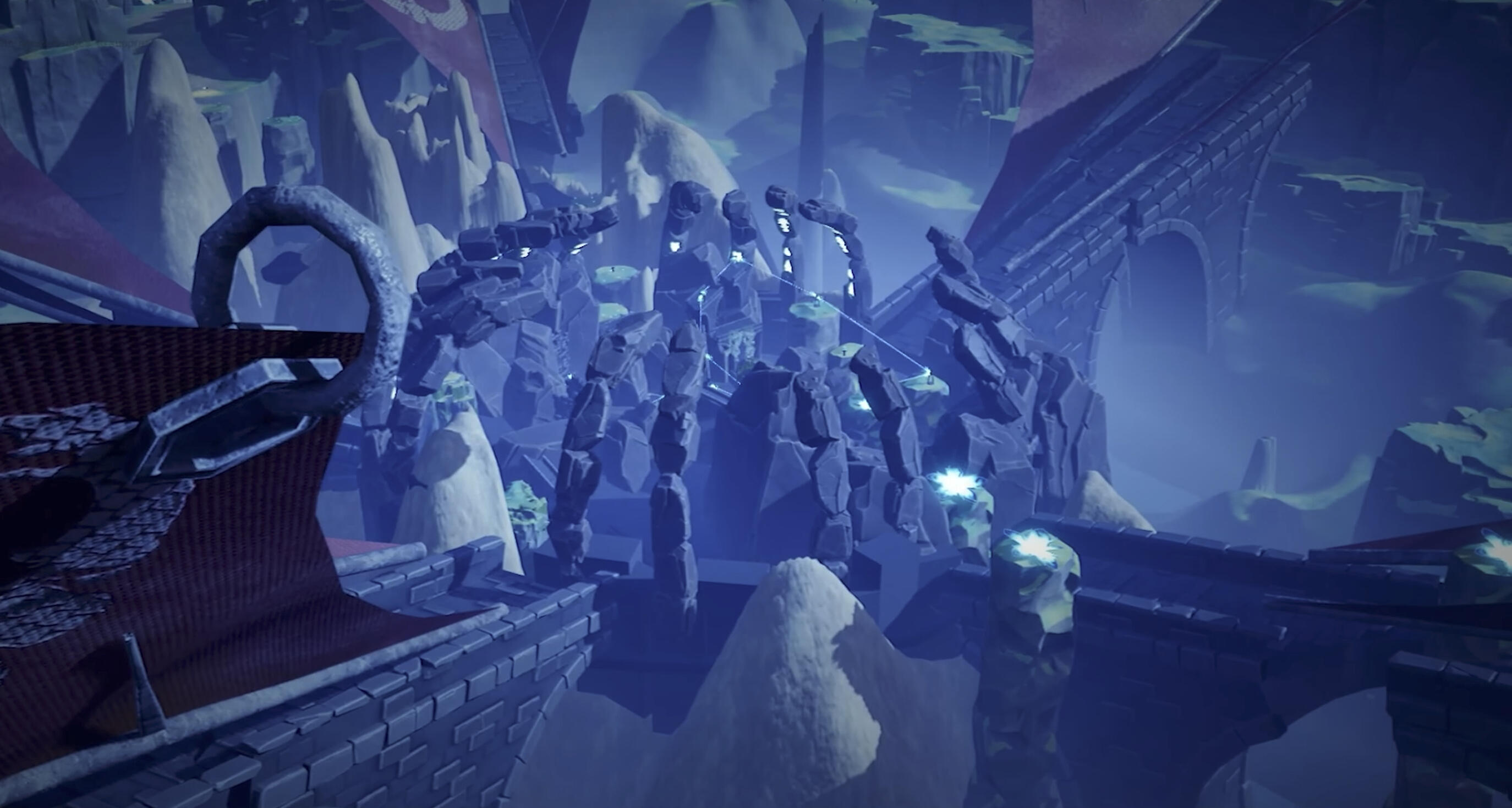
School group project (GP3)A narrative puzzle-platformer where shadows are lethal. Players must literally manipulate the moon’s position in the sky to find a safe path through a post-apocalyptic world.Shadow Logic: Designed and whiteboxed complex puzzles based on dynamic light-shifting and 3D spatial reasoning.Narrative Flow: Translated world-lore into a quest-driven layout, bridging the gap between story beats and level geometry.Atmospheric Pacing: Balanced high-tension platforming with quiet, environmental storytelling moments inspired by Journey.
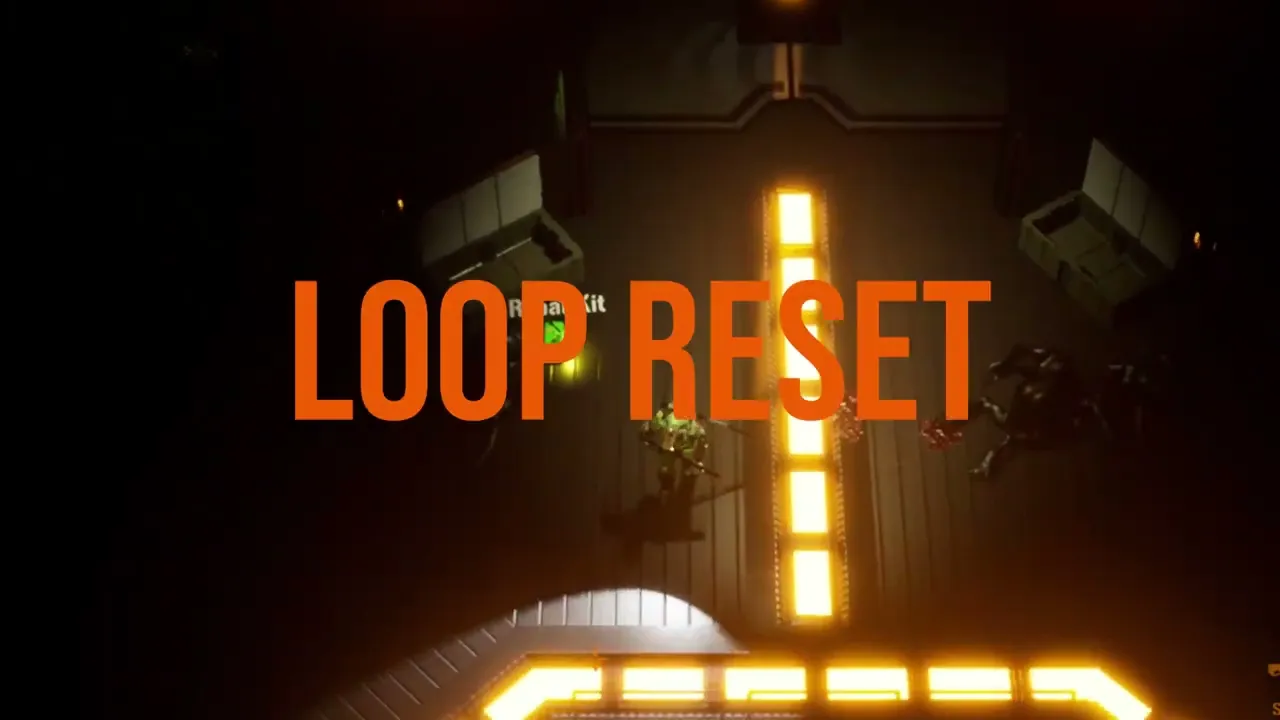
Loop Reset (Procedural level design)
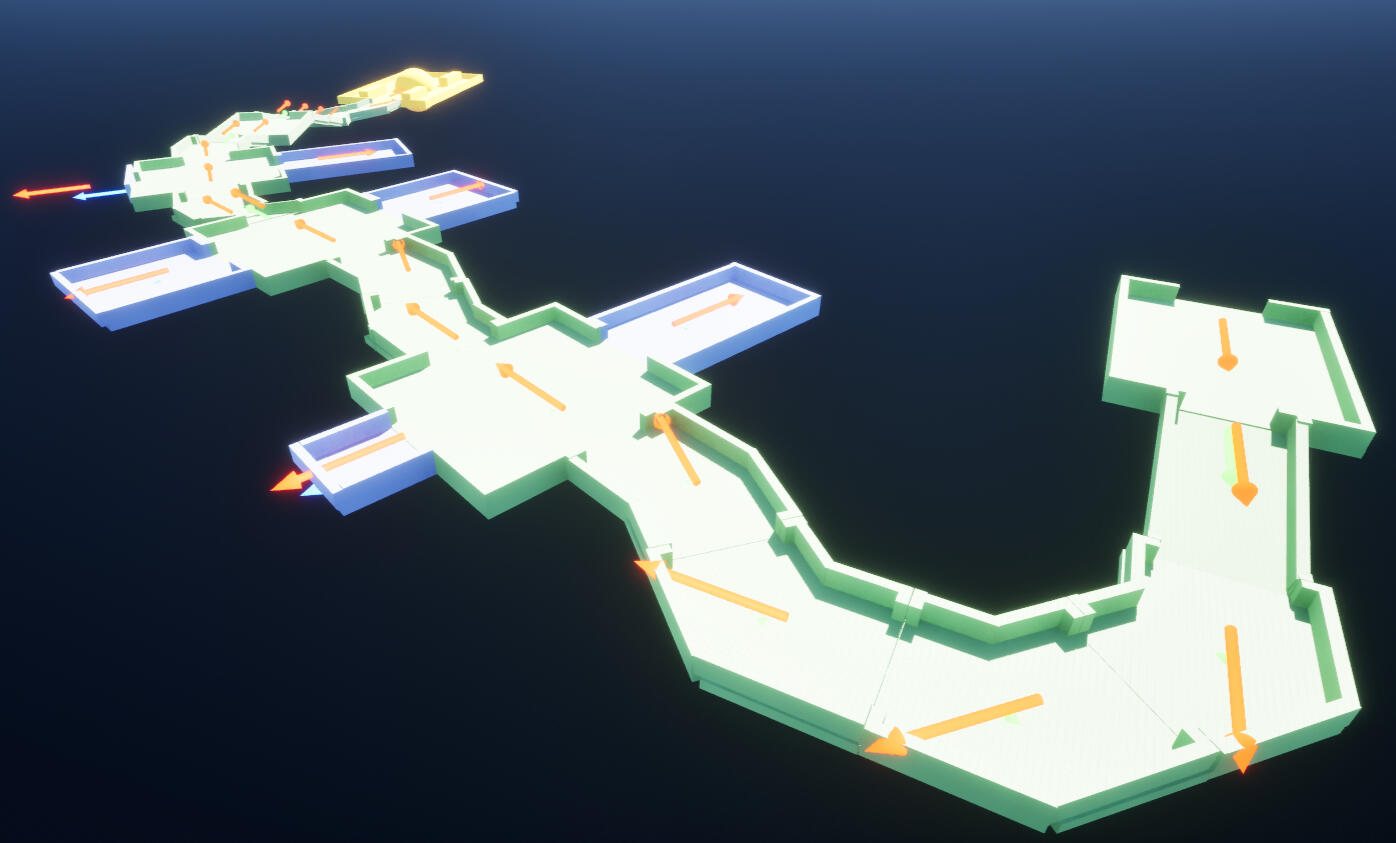
School group project (GP4)A sci-fi twin-stick shooter designed for infinite replayability. In a 7-week sprint, I developed a procedural generation system that ensures no two runs are the same.Modular Room Design: Created a library of "handcrafted" tiles designed to snap together procedurally.Flow & Connectivity: Established the logic for Choke Points and Arenas to ensure the generator produced navigable, high-intensity combat zones in collaboration with the level programmer.
WW2 Bunker: The Tirpitz
Role: Solo Level Designer | Focus: Grid-based Layout | Mentor: Tid CooneyA stealth-focused infiltration mission set in a repurposed Norwegian ore mine. The objective: sabotage a critical radar mast to clear the way for an RAF airstrike.Grid-Disciplined Layout: Built with a strict modular "on-grid" approach for good art asset economy.Player Agency: Designed a Dual-Path approach allowing players to choose between high risk stealth or direct combat engagement.Visual Language: Used lighting and architecture to guide the player towards the radar mast objective without the need for a mini-map.The Design Challenge: Modular ConstraintsThe brief required a strict on-grid design. The challenge was creating a space that felt like an organic, disused mine while adhering to a rigid modular system.Stealth Pacing & Player ChoiceI focused on meaningful player agency. I designed two distinct routes to the radar mast:Framing the ObjectiveFrom the moment the player spawns, the Radar Mast and the intended path to it is visible. I utilized techniques using bunker doorways and cave openings to constantly re-center the player’s focus on the objective.Environmental StorytellingBeyond the layout, I added layers of history to the environment. By mixing elements of the original ore mine (mine carts etc) with German occupation tech (concrete walls, radar equipment), the level tells a story of a peaceful location forced into a machine of war.


Luna: Shepherd of Souls
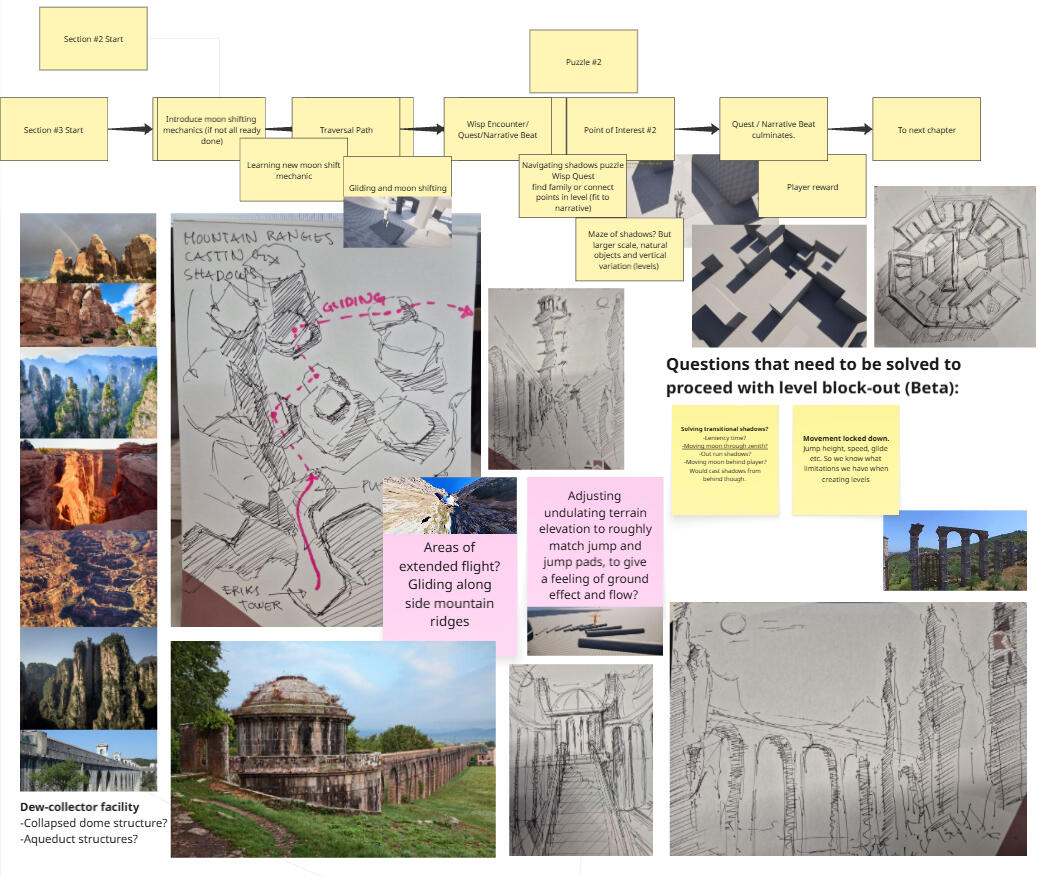
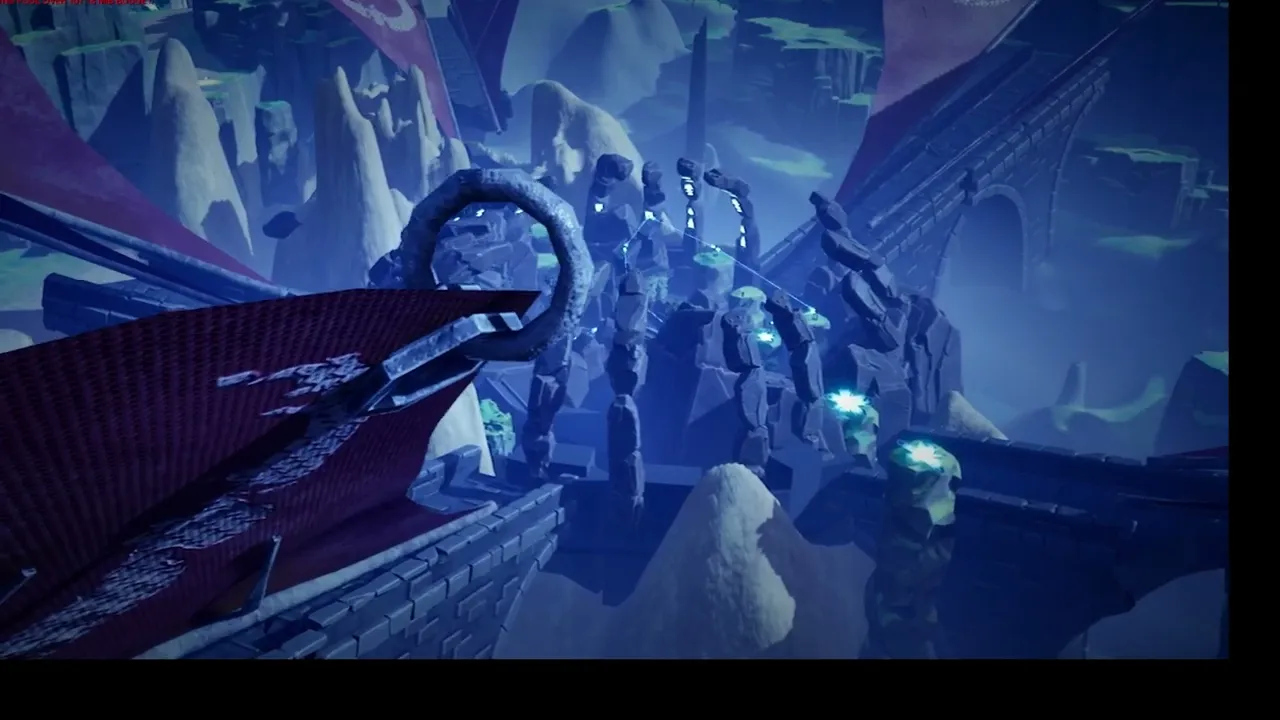
Role: Level Designer | Engine: Unreal Engine | Team Size: 20+A narrative puzzle-platformer where shadows are lethal. Players must literally manipulate the moon’s position in the sky to find a safe paths through a post-apocalyptic world.Shadow Logic: Designed and whiteboxed complex puzzles based on dynamic light-shifting and 3D spatial reasoning.Narrative Flow: Close collaboration with the Narrative designer. Creating the world in paralell to the narrative.Atmospheric Pacing: Balanced high-tension platforming with quiet, environmental storytelling moments inspired by Journey.Moving Moon mechanic:
Traditional level design uses static lighting to guide players. In Luna, I had to design spaces that worked from two entirely different light angles, ensuring no blind soft-locks occurred when the player shifted the moon.Iteration & Playtesting
The Feedback: During week 3 playtests, players found the ruins too cramped for the shifting light mechanic.I widened the moonlit corridors and simplified the platforming in high-shadow areas to focus player attention on the light-shifting puzzle rather than precision jumping.

Loop Reset
Role: Level Designer | Team: 5 (Student Project) | Engine: Unreal EngineThe Design Challenge: Procedural vs. PurposefulThe biggest risk with procedural generation is soulless levels. My challenge was to create a system that felt random but still followed level design fundamentals. I solved this by designing and organising different archetypical room types:Combat rooms: Large open areas for heavy combat and Arcade Scoring" multi-kills.Corridors: Tight, high-tension transition zones that funnel players into traps.Dead Ends: Other than a pure necessity, an oportunity for variety in set dressing and environmental storytelling.Technical Rooms: containing Workbenches for making upgrades.This project taught me that Level Design for procedural games is actually System Design. Instead of building a path, I built an adaptable system of room modules. With every new module addition the possible level design outcomes increase by a very satisfying factor.